
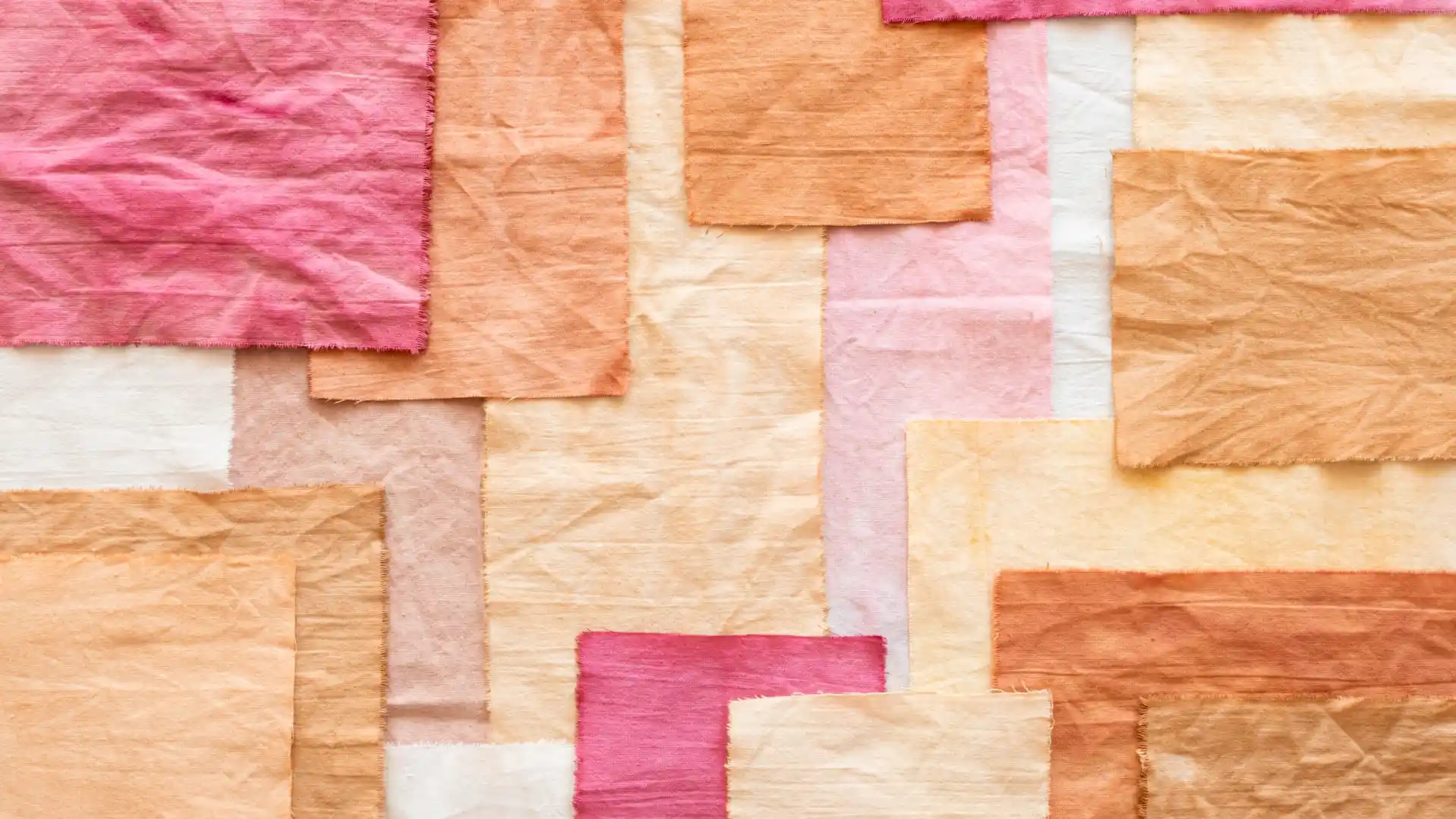
Have you ever seen a picture made entirely from tiny bits of colored paper and wondered how it was created? That’s the magic of paper mosaic art. This simple yet stunning form of creativity transforms small pieces of paper into beautiful designs, patterns, or even full illustrations. It’s a blend of patience, imagination, and craftsmanship that anyone can try.
In this blog, we’ll explore what is paper mosaic, how it began, what makes it so special, and how you can easily make one at home. Whether you’re a beginner, teacher, or art lover, this guide will help you fall in love with this colorful and expressive art form.
Understanding What is Paper Mosaic
To truly understand what is paper mosaic, think of it as a modern spin on ancient mosaic art. Traditional mosaics were created using tiny pieces of stone, glass, or ceramic tiles. Paper mosaics, however, use bits of colored paper instead. These paper “tiles” are arranged side by side to create a larger image or design.
It’s almost like putting together a jigsaw puzzle, but you get to decide the picture, colors, and pattern. The best part is that anyone can do it. You don’t need expensive supplies or advanced skills just paper, glue, and creativity.
Learning what is paper mosaic is about more than technique. It’s about transforming everyday materials into something visually striking and deeply personal.
A Brief History of Paper Mosaic
Before we dive into how to make one, it’s worth knowing where what is paper mosaic got its inspiration. Mosaic art itself dates back thousands of years, with examples found in ancient Greece, Rome, and the Middle East. Artists back then used tiny tiles, called tesserae, to decorate walls, floors, and ceilings with intricate designs.
Over time, artists began experimenting with new materials. As paper became more widely available, people started using it in creative ways leading to the birth of paper mosaic art. It offered the same visual appeal as traditional mosaics but was lighter, cheaper, and easier to work with.
Today, paper mosaics are popular in classrooms, studios, and homes across the world. They’re used to teach art fundamentals, color coordination, and even patience all while being fun and accessible.
Why You’ll Love Making Paper Mosaics
Once you understand what is paper mosaic, you’ll realize why so many people enjoy it. It’s not just a craft; it’s a relaxing and rewarding experience.
Here’s what makes it so appealing:
- It’s budget-friendly: You can use scrap paper, old magazines, or colored sheets you already have.
- It’s eco-friendly: Making art from recycled paper is a great way to reduce waste.
- It sparks creativity: You can experiment with endless color combinations and designs.
- It’s calming: The repetitive process of gluing small pieces is almost meditative.
- It’s for everyone: Kids, adults, and even seniors can enjoy creating paper mosaics.
Whether you want to unwind, decorate your space, or simply try something new, discovering what is paper mosaic can be a refreshing creative escape.
What You’ll Need for a Paper Mosaic
If you’re ready to create one yourself, you’ll be happy to know that making a what is paper mosaic doesn’t require much. You probably already have most of the materials at home.
Here’s a quick checklist:
- Colored paper – You can use craft paper, origami sheets, or cutouts from magazines.
- Base surface – A sturdy piece of cardboard, poster board, or canvas paper works best.
- Glue – Any white craft glue or glue stick will do.
- Scissors– For cutting your paper into small tiles.
- Pencil and ruler -To sketch your design and guide your layout.
Optional materials like glitter paper, foil, or patterned wrapping paper can add extra texture and shine.
Now that you have your supplies, it’s time to actually make your own paper mosaic and bring your ideas to life.
How to Make a Paper Mosaic: Step-by-Step
Learning what is paper mosaic is best done hands-on. Here’s a simple step-by-step guide to help you create your first piece.
Step 1: Choose a Design
Start by deciding what you want to create. You can draw inspiration from nature, patterns, or even abstract shapes. Sketch your idea lightly on your base paper.
Step 2: Cut the Paper
Cut your colored paper into small shapes squares, rectangles, or triangles. Try to keep them roughly the same size for a neat finish.
Step 3: Arrange Before Gluing
Before applying glue, lay out your pieces on the design. This lets you experiment with color placement and spacing.
Step 4: Start Gluing
Once you’re happy with your layout, start gluing the paper tiles in place. Leave tiny gaps between each piece, just like traditional mosaics.
Step 5: Add Final Touches
You can add borders, outlines, or highlights for extra definition.
Step 6: Let It Dry
Allow the glue to dry completely before moving or framing your piece.
And that’s it! With a few simple materials and a little patience, you’ve created your very own paper mosaic artwork.
Creative Paper Mosaic Ideas
Once you understand what is paper mosaic, you can use it to create almost anything. Here are a few ideas to get your creativity flowing:
- Nature-inspired art: Create flowers, trees, or landscapes using earthy and pastel tones.
- Animals and birds: Bring your favorite creatures to life with colorful paper tiles.
- Abstract designs: Play with patterns, symmetry, and bold colors.
- Home decor: Decorate photo frames, trays, or even a mosaic wall panel with paper mosaic techniques.
- Seasonal crafts: Make greeting cards, gift tags, or festive artwork for holidays.
With just a few tweaks in color and shape, every piece you create will have its own unique story.
Tips to Improve Your Paper Mosaic Art
The more you practice, the better you’ll get. Here are a few practical tips to help your work stand out:
- Choose contrasting colors to highlight your design.
- Avoid using too much glue it can make the paper wrinkle.
- Cut paper pieces neatly for a clean finish.
- Work in small sections so the glue doesn’t dry too fast.
- Experiment with textures like glossy, matte, or metallic paper.
Once you start creating regularly, you’ll not only get better technically but also develop your own artistic style.
Common Mistakes to Avoid
When you’re learning what is paper mosaic, it’s easy to make a few beginner mistakes. The good news? They’re all fixable.
- Don’t overlap pieces unless it’s part of your design.
- Keep the spacing consistent between each paper tile.
- Use a strong adhesive to prevent tiles from coming loose.
- Always plan your design before gluing.
- Take your time mosaic art is about patience, not speed.
By keeping these in mind, your mosaic will look neat and professional.
Modern Uses of Paper Mosaic
Paper mosaic isn’t just for school projects anymore. Today, it’s used in interior design, creative branding, and even fine art exhibitions.
For example, artists often combine paper mosaic with other materials like fabric or paint to create mixed-media pieces. Designers use mosaic-inspired patterns for wallpapers, packaging, and logos. You can even pair paper mosaic décor with mosaic wash basins to give your home a coordinated artistic theme.
It’s also a popular choice for DIY décor because it’s lightweight, safe, and easy to customize.
Caring for Your Paper Mosaic Artwork
Because paper is delicate, it’s important to protect your finished work. Here’s how you can make sure your art lasts for years:
- Keep it away from water or moisture.
- Frame your mosaic behind glass to protect it from dust.
- Avoid direct sunlight, which can cause fading.
- Store it flat to prevent bending or curling.
Taking a few precautions ensures your paper mosaic remains vibrant and beautiful for a long time.
Why Paper Mosaic Is So Special
Now that you know what is paper mosaic, you’ll probably agree it’s more than just cutting and gluing paper. mosaic bathroom accessories It’s a form of expression that connects creativity with mindfulness.
Unlike traditional mosaics made with heavy tiles or glass, paper mosaics are light, versatile, and beginner-friendly. The process itself is calming and satisfying it’s art therapy in its purest form.
What makes it even better is how personal it can be. Every color you choose and every piece you place reflects a part of your imagination.
Paper Mosaic as an Educational Tool
One of the best things about what is paper mosaic is how useful it is in education. Teachers use it to help students improve motor skills, focus, and creativity. It teaches kids about colors, composition, and balance in a fun, hands-on way.
When children create mosaics, they also learn patience and problem-solving. It helps them see how small details come together to make a bigger picture a valuable life lesson disguised as art.
Sustainability in Paper Mosaic Art
Another wonderful thing about what is paper mosaic is its eco-friendly nature. You can use leftover paper, magazines, packaging, or even old notebooks to create something beautiful instead of throwing them away.
This makes paper mosaic not just an art form, but also a statement about sustainability. It encourages people to reuse materials creatively and appreciate the beauty of recycling.
Some artists even use paper mosaics to spread environmental awareness, turning simple art projects into meaningful messages.
Conclusion
Now that you understand what is paper mosaic, you can see how versatile and enjoyable this craft really is. It’s a perfect mix of creativity, simplicity, and sustainability, an art form that proves you don’t need expensive materials to make something beautiful.
With just paper, glue, and imagination, you can create designs that reflect your personality and brighten any space. Whether you make it for fun, decoration, or teaching, paper mosaic art brings color and calm into your life.
So grab your supplies, choose your favorite hues, and start your creative journey today. Once you begin, you’ll discover that learning what is paper mosaic is not just about art it’s about finding joy in the process of creation.
FAQs
What is the purpose of a mosaic?
The purpose of a mosaic is to create decorative art by arranging small pieces of colored materials like tiles, glass, or paper into detailed patterns or images. Mosaics add beauty, texture, and storytelling to spaces, often reflecting culture, history, or emotion. They’re used in homes, architecture, and art to transform ordinary surfaces into vibrant visual masterpieces.
What are the three types of mosaics?
The three main types of mosaics are classical mosaics, pebble mosaics, and paper mosaics.
Classical mosaics use small pieces of glass, stone, or ceramic to form intricate designs.
Pebble mosaics are made using naturally shaped pebbles for a rustic, textured look.
Paper mosaics are a modern and eco-friendly version, created with colorful paper pieces instead of traditional tiles.
How do you design a paper mosaic?
To design a paper mosaic, start by choosing a simple design or image you want to recreate. Lightly sketch it on a sturdy base like cardboard. Then, cut colored paper into small squares or shapes. Arrange the pieces to match your design and glue them down, leaving small gaps between each. Finally, let it dry and display your finished artwork.
Leave a Reply