
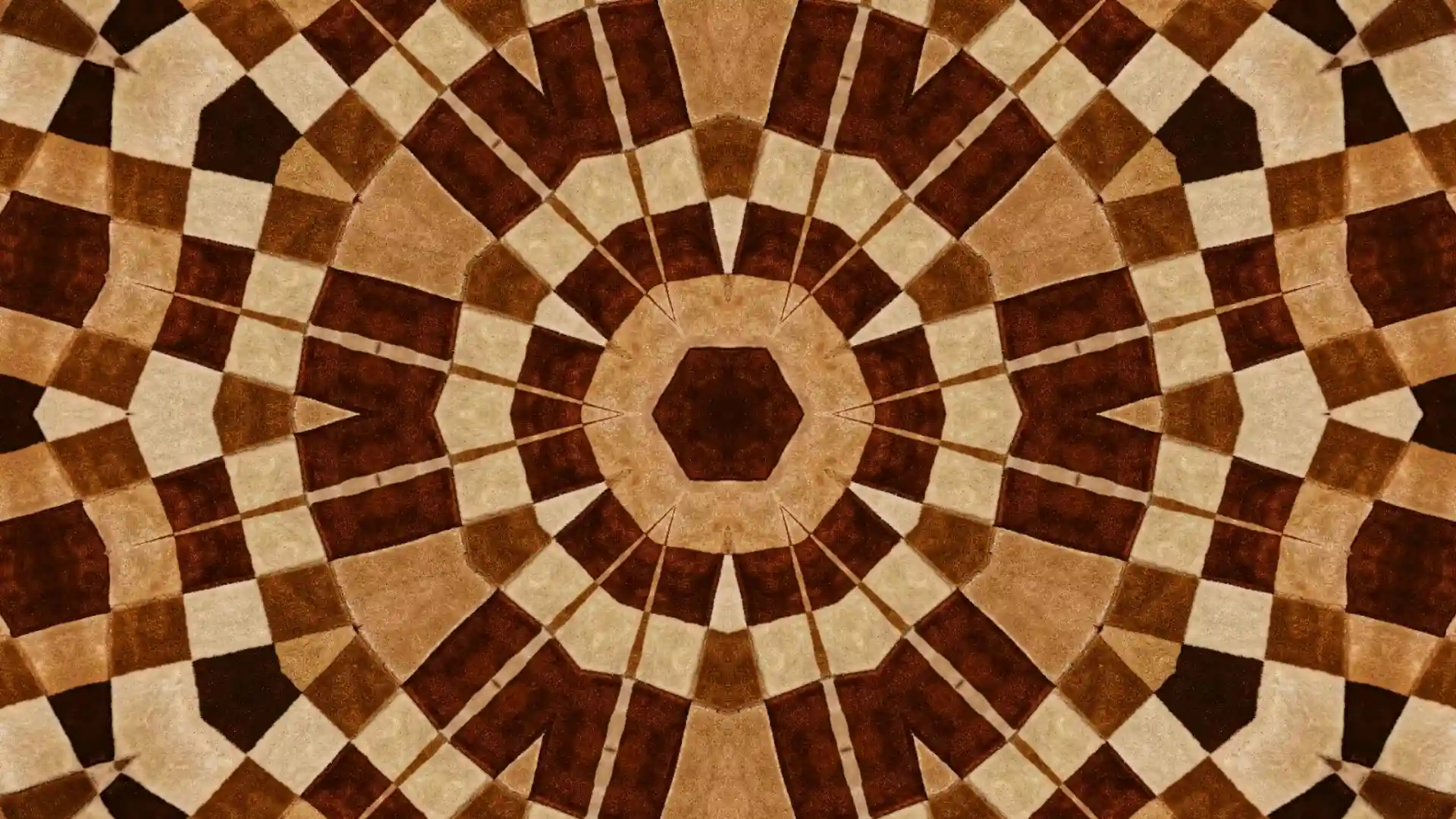
Art has always been a mirror of human creativity. From the earliest cave drawings to modern digital illustrations, every era finds new ways to express emotion and beauty. Among these timeless forms, mosaic painting stands out for its ability to turn small fragments of stone, glass, or ceramic into something truly spectacular.
But before diving into its details, let’s take a moment to understand what is mosaic painting and why it continues to fascinate artists, designers, and admirers around the world.
So, what exactly is mosaic painting? At its simplest, mosaic painting is the art of creating images or patterns using small pieces of colored materials known as tesserae. These can be bits of glass, marble, stone, ceramic, or even shells. Each tiny piece is carefully placed next to the other until a beautiful image, design, or scene comes to life.
The word “mosaic” originates from the Greek term mouseios, which means “of the muses.” It’s a fitting name because every mosaic truly feels inspired. When you think about what is mosaic painting, imagine an artist patiently arranging hundreds or even thousands of tiny pieces until a grand picture slowly emerges. It’s not just art; it’s craftsmanship, patience, and storytelling combined.
The Origins and History of Mosaic Painting
To really understand what is mosaic painting, it helps to trace where it all began. The earliest known mosaics appeared in Mesopotamia around 3,000 BCE. People decorated temples and palaces using colored stones and clay pieces arranged in patterns.
The Greeks later refined the craft, introducing more detailed and symmetrical designs. But it was the Romans who truly popularized mosaic art, turning it into a luxury form of decoration. Roman villas and bathhouses were covered in stunning floor mosaics depicting gods, legends, and everyday life scenes.
Then came the Byzantine era, where mosaics became deeply spiritual. Artists started using gold and glass to create glowing images inside churches, giving rise to masterpieces like those in Hagia Sophia and Ravenna.
From temples to cathedrals, the history of what is mosaic painting reflects a journey that blends beauty, culture, and devotion.
How Mosaic Painting Differs from Traditional Painting
At first glance, mosaic art might seem like another form of painting, but the process and effect are very different. In traditional painting, artists use brushes and pigments to apply color. In mosaic painting, color comes from the physical material itself the way each tiny tile catches and reflects light.
When sunlight hits a mosaic surface, it bounces differently off each piece, creating a shimmering effect. That’s what gives mosaic paintings their depth and texture. If you’re exploring what is mosaic painting, you’ll realize it’s more than visual art it’s a tactile experience that feels alive every time light changes.
Techniques Used in Mosaic Painting
There are several ways to create mosaic paintings, depending on the type of surface and design. Understanding these methods gives a clearer idea of what is mosaic painting in practice:
- Direct Method – Tiles or tesserae are glued directly onto the surface. This technique lets the artist work freely and see how the design looks as it develops.
- Indirect Method -The design is created on a temporary surface, such as paper or mesh, and later transferred to its final base. This is ideal for large-scale or complex works.
- Double Indirect Method – Used for highly detailed pieces that require perfect alignment. Tiles are first arranged face-up, captured in a mold, and then permanently set.
Each technique highlights the blend of creativity and precision that defines what is mosaic painting.
Materials Used in Mosaic Painting
Every mosaic painting begins with a thoughtful choice of materials. The type of tesserae determines the final look, texture, and brightness of the piece. Some popular materials include:
- Glass for brightness and vibrancy, perfect for luminous wall pieces
- Ceramic for durability and a smooth finish
- Stone or Marble for an earthy, classic touch
- Metal or Mirror Pieces for a modern, reflective appeal
Together, these materials show that what is mosaic painting isn’t limited by tradition. It’s an art form that evolves with every creative hand that touches it.
The Modern Evolution of Mosaic Painting
Today, mosaic painting has evolved far beyond ancient temples and cathedrals. Modern artists have reimagined the art form, blending traditional craftsmanship with contemporary styles. From public murals to home interiors, mosaics now appear everywhere.
Contemporary artists often use recycled materials, glass shards, beads, and even digital elements to create new-age designs. So, when we ask what is mosaic painting in the modern sense, it’s not just about decoration it’s about sustainability, innovation, and self-expression.
Mosaic Art in Home Decor
Mosaic painting has found a fresh identity in interior design. Homes and workspaces now use mosaic patterns to add personality and character.
A beautifully designed mosaic wall panel can completely change the atmosphere of a room, turning a plain wall into an artful centerpiece. Similarly, like mirrors, trays, and décor pieces add a subtle artistic flair to modern spaces.
Even are becoming increasingly popular, combining everyday function with artistic expression. These examples prove how versatile mosaic painting has become in modern décor a blend of beauty and practicality.
Cultural and Symbolic Meaning of Mosaic Painting
Beyond its beauty, what is mosaic painting also carries deep meaning. In many cultures, mosaics symbolize unity through diversity mosaic bathroom accessories many small, imperfect pieces coming together to form a perfect whole.
In ancient civilizations, mosaics told stories of faith and mythology. In Islamic architecture, they represent infinity and divine symmetry. In modern art, they often symbolize the complexity of human identity.
Each interpretation shows that mosaic art isn’t just about patterns or color. It’s about perspective, balance, and harmony.
Popular Themes and Styles in Mosaic Painting
Throughout history, artists have explored various themes through mosaic painting. Some of the most loved styles include:
- Geometric Designs that reflect order and balance
- Floral Motifs symbolizing growth and nature
- Religious and Mythological Scenes found in classical works
- Abstract Compositions that express emotion and creativity
These styles show that what is mosaic painting can be anything from a spiritual reflection to a personal story.
Why Mosaic Painting Still Matters Today
In a world of fast trends and digital art, mosaic painting continues to hold a special charm. Part of understanding what is mosaic painting is appreciating its timeless nature. Each piece takes time, precision, and patience mosaic wash basins values that are often lost in today’s fast-paced lifestyle.
It’s also sustainable, as many artists now use recycled tiles or glass to create eco-friendly designs. Whether in homes, gardens, or city walls, mosaics remind us that beauty can come from the smallest, even discarded, fragments.
How to Create Your Own Mosaic Painting
If you’ve ever been curious to try it yourself, here’s a simple way to experience what is mosaic painting firsthand:
- Choose a design or pattern you’d like to create.
- Select your materials glass, ceramic, or any colorful fragments.
- Prepare a base, such as wood or canvas.
- Apply adhesive and start arranging the pieces according to your design.
- Fill the gaps with grout and let it dry.
- Gently clean the surface and polish it to bring out the shine.
The process is both meditative and rewarding. By the time you’re done, you’ll not only have a piece of art but also a deeper understanding of what mosaic painting really means.
Famous Mosaic Masterpieces Around the World
One of the best ways to appreciate what is mosaic painting is to look at the masterpieces that have stood the test of time:
- The Alexander Mosaic in Pompeii, depicting the legendary battle between Alexander the Great and Darius.
- Hagia Sophia Mosaics in Istanbul, showcasing golden depictions of saints and angels.
- Ravenna Mosaics in Italy, celebrated for their religious detail and color.
- Park Güell in Barcelona, where architect Antoni Gaudí turned mosaic art into vibrant architectural wonder.
Each of these creations tells a story and captures a moment in history, frozen forever in stone and glass.
Preserving Mosaic Art
Because mosaic paintings are made from varied materials, they need special care. Dust and moisture are their biggest enemies. Regular cleaning and gentle maintenance can help keep them vibrant for generations. Ancient mosaics have survived thousands of years precisely because of this care and craftsmanship.
The Future of Mosaic Painting
So, what does the future hold for this ancient art? The answer lies in its adaptability. With advancements in technology and design, mosaic painting is finding new life through modern techniques and sustainable materials. Artists are now experimenting with 3D designs, interactive surfaces, and even digital mosaics that combine art with innovation.
No matter how technology evolves, the essence of what is mosaic painting will always remain the same finding beauty in the fragments of life.
Conclusion
In the end, what is mosaic painting isn’t just a question about art; it’s a reflection of human creativity and resilience. From ancient civilizations to modern homes, mosaics have always told stories through colors, textures, and light.
It’s the art of unity, where every broken piece finds its purpose in creating something whole and meaningful. So next time you come across a shimmering wall or floor made of tiny colored tiles, pause for a moment. You’ll know exactly what is mosaic painting an eternal dance of color, craftsmanship, and imagination.
FAQs
What is special about mosaics?
What makes mosaics special is their ability to turn small, broken pieces of glass, stone, or ceramic into a stunning, unified artwork. Each fragment adds texture, color, and depth, creating a design that shines differently with every light. Mosaics symbolize harmony in diversity, blending creativity, craftsmanship, and timeless beauty into one expressive art form.
What are the three uses of mosaic?
The three main uses of mosaics are:
- Decoration: They are often used to enhance the beauty of walls, floors, and ceilings in homes and public buildings.
- Practical Design: Mosaics add durability and visual interest to everyday items like tables, pathways, and fountains.
- Artistic Expression: Artists use them to create meaningful patterns, images, and storytelling artworks.
Why was mosaic important?
Mosaics were important because they served as both decoration and storytelling tools in ancient cultures. They were used to express religious beliefs, record historical events, and display wealth or power. Beyond beauty, mosaics symbolized creativity, craftsmanship, and cultural identity, preserving art that could withstand time, weather, and generations making them lasting pieces of human history.
Leave a Reply