
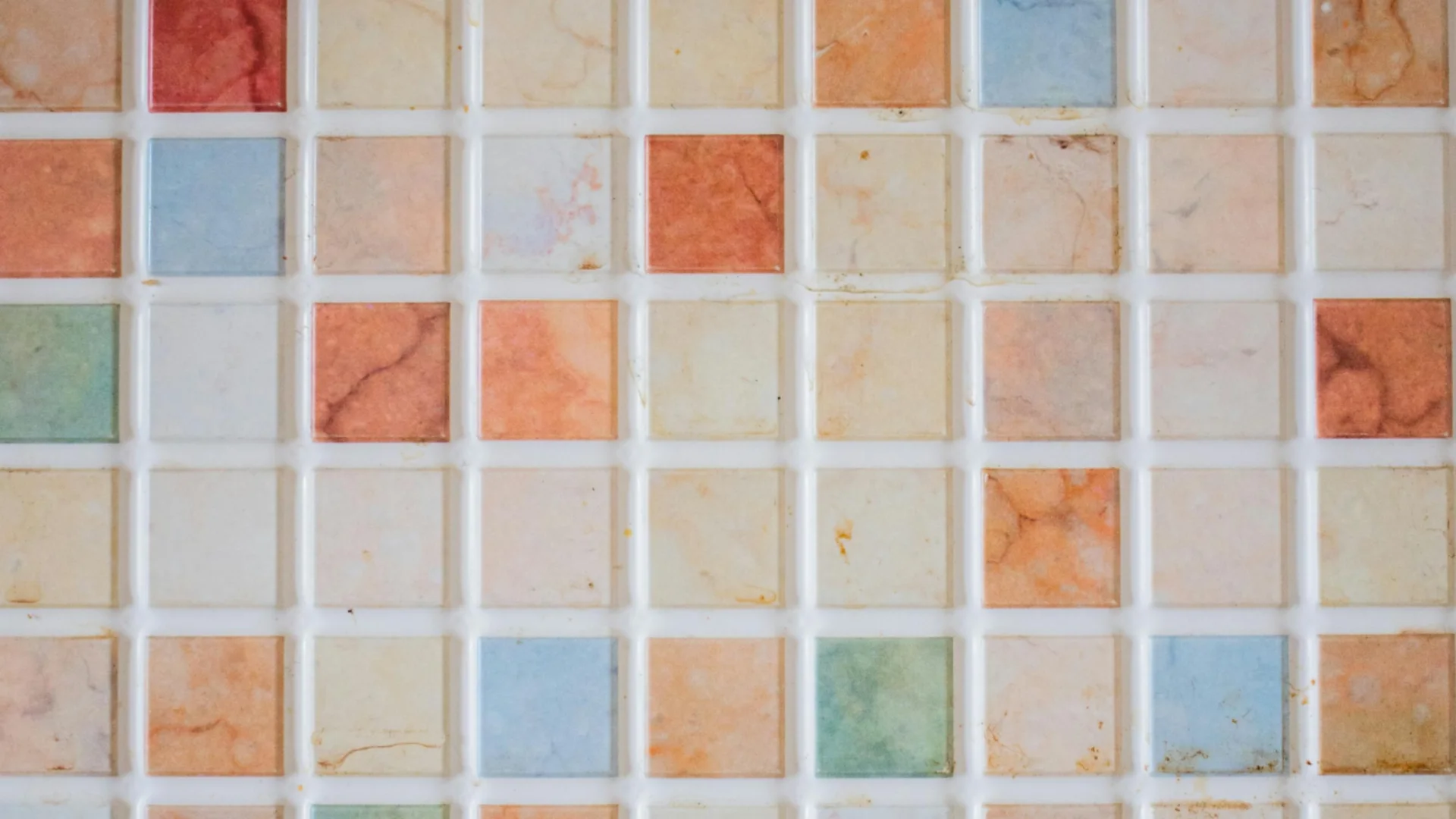
If you’ve ever walked into a space that instantly caught your eye with small colorful pieces forming beautiful patterns, you’ve already witnessed the magic of mosaic tiles. But before we dive into their charm and history, let’s first understand exactly what is mosaic tile and why it has become such a timeless choice in design.
To put it simply, mosaic tiles are made by assembling small pieces of materials like glass, stone, ceramic, or even metal into one decorative surface. These tiny fragments come together to form intricate designs, patterns, and color combinations that transform ordinary spaces into artistic masterpieces.
When you ask what is mosaic tile, the answer isn’t limited to its structure. It’s about the creativity it allows. Each piece of tile is a part of a bigger picture, giving homeowners, artists, and designers endless freedom to experiment with texture, tone, and design.
The Rich History Behind Mosaic Tiles
The story of what is mosaic tile goes back thousands of years. Ancient civilizations like the Greeks, Romans, and Egyptians used mosaic art to decorate temples, palaces, and public spaces. These early forms of mosaics were often created from colored stones and glass to depict stories, deities, and cultural symbols.
Over time, the art evolved from sacred symbols to decorative expressions. Today, the purpose of mosaic tiles is not just artistic but also functional, allowing us to beautify modern interiors in creative and durable ways. The evolution of what is mosaic tile shows how human expression has transformed over centuries while maintaining its artistic roots.
The Composition and Design of Mosaic Tiles
One of the most interesting aspects of what is mosaic tile lies in its composition. Mosaics can be made from glass, ceramic, marble, or even recycled materials. Each type brings a different personality to a space.
For example, glass mosaics add shine and a reflective finish, perfect for brightening up areas like bathrooms and kitchens. Stone mosaics, on the other hand, provide a rustic, natural texture that suits outdoor walls or earthy interiors. The beauty of what is mosaic tile lies in its flexibility to adapt to any aesthetic, from luxurious and modern to vintage and traditional.
Types of Mosaic Tiles
To truly understand what is mosaic tile, you need to explore the different types available in the market today. Each variation caters to specific design needs and brings unique visual appeal.
Glass Mosaic Tiles
Glass mosaics are highly popular for their reflective quality and vibrant colors. They bring light and depth to compact spaces, making them ideal for bathrooms or accent walls.
Ceramic Mosaic Tiles
Ceramic mosaics are durable, cost-effective, and available in countless shapes and shades. They’re easy to maintain and can suit both modern and traditional interiors.
Stone Mosaic Tiles
Stone mosaics, often made from marble, travertine, or slate, create a natural, organic atmosphere. They’re often used in high-end projects and luxury interiors.
Metal Mosaic Tiles
For a contemporary or industrial look, metal mosaics are the perfect choice. They add a touch of modern elegance to kitchens, bars, and living areas.
Each of these types plays a vital role in defining what is mosaic tile in the modern world of design.
Why Choose Mosaic Tiles?
When people wonder what is mosaic tile and why it’s preferred by so many designers, the reasons are easy to see. Mosaic tiles are not just about looks; they are also practical, durable, and incredibly versatile.
- Aesthetic Appeal – Mosaics instantly add artistic beauty and detail to a room.
- Durability – High-quality mosaic tiles can withstand water, heat, and wear.
- Customizability – You can design them in any color, pattern, or layout.
- Low Maintenance – Most mosaic tiles are easy to clean and long-lasting.
These qualities make mosaic tiles perfect for homes, offices, and commercial spaces alike.
Applications of Mosaic Tiles
Understanding what is mosaic tile also means knowing where and how to use them effectively. Here are some of the most common and creative applications:
Walls and Backsplashes
Mosaic tiles add a statement element to walls, particularly in kitchens and bathrooms. Their ability to form intricate designs makes them ideal for backsplashes that become the focal point of the room. This is also where a mosaic wall panel can create a luxurious and seamless finish that elevates the entire design.
Floors
Mosaic tiles are sturdy and slip-resistant, making them suitable for flooring. Whether it’s a bathroom floor or a patio, they provide beauty without compromising functionality.
Bathrooms
Bathrooms are one of the most popular areas where what is mosaic tile truly shines. Mosaic tiles add an elegant touch to shower areas, vanities, and bathtub surrounds. They pair beautifully with mosaic bathroom accessories to create a cohesive and luxurious look.
Kitchens
From countertops to accent walls, mosaic tiles enhance the style of any kitchen. Their color variety and gloss levels can completely transform the ambiance.
Outdoor Spaces
Many designers now use mosaics in pools, patios, and garden pathways. Their resilience and aesthetic appeal make them perfect for outdoor artistry.
Design Ideas for Mosaic Tiles
To better understand what is mosaic tile, it helps to see it as a tool for creativity. Designers use mosaics to tell stories through colors and shapes. Here are some creative ideas:
- Geometric Patterns – Use symmetrical shapes for a modern, minimalist vibe.
- Floral Designs – Add charm and warmth to walls or floors.
- Gradient Effects – Blend shades to create depth and dimension.
- Abstract Art – Let colors and patterns flow freely for a bold visual impact.
The endless customization options are what make mosaic tiles such a favorite among homeowners and designers.
Maintenance and Care Tips
Even though mosaic tiles are durable, proper maintenance helps them last for decades. Understanding what is mosaic tile also means knowing how to care for it.
- Regularly clean with mild soap and water.
- Avoid harsh chemicals that can damage the finish.
- Re-grout every few years to maintain shine and structure.
- Use a soft cloth or sponge instead of abrasive pads.
Simple care habits go a long way in keeping your mosaic surfaces vibrant and fresh.
Cost and Installation
The cost of mosaic tiles depends on material, brand, and design complexity. Glass and marble mosaics are typically more expensive than ceramic or porcelain options. Installation, too, requires precision and skill. Each small piece needs to be carefully aligned to maintain the pattern. This is why professionals are often recommended for large mosaic projects.
When you explore what is mosaic tile, you’ll realize that its cost reflects not only the material but also the craftsmanship that goes into bringing every piece together.
Mosaic Tiles in Modern Interiors
Today’s designers use mosaic tiles in both subtle and statement ways. Whether it’s a minimal glass mosaic in a modern bathroom or a grand artistic wall mural in a hotel lobby, mosaics have the power to turn a plain surface into something extraordinary.
Even small spaces can benefit from this design choice. A simple mosaic wash basins setup or a feature wall can completely redefine the vibe of a room. The versatility of what is mosaic tile is unmatched, fitting seamlessly into both classic and contemporary interiors.
Environmental Impact
Another interesting aspect of what is mosaic tile is its environmental sustainability. Many manufacturers use recycled glass and natural stones to create eco-friendly tiles. These tiles reduce waste while maintaining quality and visual appeal. Homeowners who care about sustainability often choose mosaics for their green credentials without compromising beauty.
Future Trends in Mosaic Tile Design
The future of what is mosaic tile looks brighter than ever. Designers are now combining digital printing and new materials to create innovative designs. Custom photo mosaics, 3D tiles, and smart textures are becoming increasingly popular. These advancements keep mosaics relevant while allowing personal creativity to shine through.
Final Thoughts
If someone asks what is mosaic tile, the best way to explain it is to say that it’s both an art form and a design solution. It bridges history with modernity, functionality with beauty. Whether used in walls, floors, bathrooms, or kitchens, mosaic tiles never fail to bring personality and elegance to any space.
From ancient temples to contemporary homes, the story of what is mosaic tile continues to evolve. It’s not just a surface covering; it’s a reflection of human creativity, craftsmanship, and the timeless desire to make spaces more beautiful and meaningful.
FAQs
What size is mosaic tile?
Mosaic tiles typically come in small sizes, usually ranging from 1×1 inch to 2×2 inches, though some designs use even smaller or custom-cut pieces. These tiles are often mounted on mesh sheets for easier installation. Their compact size allows for intricate patterns, curves, and detailed designs, making them perfect for walls, backsplashes, and decorative accents.
How long do mosaic tiles last?
Mosaic tiles are highly durable and can last 20 to 30 years or more with proper care. Their longevity depends on the material used stone, glass, or ceramic and how well they are maintained. Regular cleaning, proper grouting, and sealing help preserve their color and shine, ensuring mosaic tiles remain beautiful and functional for decades.
How much space between mosaic tiles?
The ideal space between mosaic tiles is usually about 1/16 to 1/8 inch. This small gap allows for proper grouting, flexibility, and a clean, even finish. Most mosaic sheets come pre-spaced on mesh backing, ensuring consistent gaps during installation. Maintaining this spacing helps the design look uniform while preventing cracking or uneven alignment over time.
Leave a Reply